

Introduction
Peptic and gastric ulcers are common digestive disorders affecting millions of people in India and worldwide. These ulcers are open sores that form on the lining of the stomach, upper small intestine, or esophagus. They often cause burning pain, bloating, nausea, and discomfort, particularly after meals.
While mild ulcers can be managed effectively, untreated ulcers may lead to serious complications, including bleeding, perforation, or intestinal obstruction. In India, factors like spicy food, irregular meal patterns, chronic stress, smoking, and widespread NSAID use contribute to ulcer formation and recurrence.
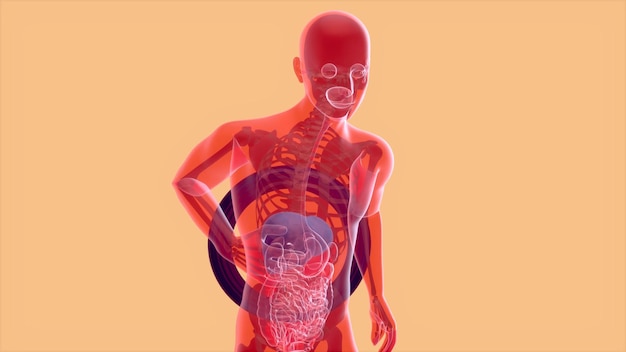
Understanding peptic and gastric ulcers—including their causes, symptoms, types, risk factors, treatment options, and preventive strategies—is crucial for maintaining good digestive health and preventing complications. This comprehensive guide provides all the information you need to manage ulcers effectively. You can also explore professional support through digestive problems treatment in Delhi
if symptoms persist.
What Are Peptic and Gastric Ulcers?
Peptic Ulcer: A broad term for open sores that develop in the stomach (gastric ulcer) or the upper part of the small intestine (duodenal ulcer).
Gastric Ulcer: A type of peptic ulcer located specifically in the stomach lining.
Ulcers occur when stomach acid damages the protective lining of the digestive tract. Normally, a balance exists between stomach acid and protective mucus, but when this balance is disturbed, it can lead to inflammation, irritation, and ulcer formation.
Causes of Peptic and Gastric Ulcers
Several factors contribute to ulcer development:
1. Helicobacter pylori Infection
The bacterium H. pylori is the most common cause of peptic ulcers. It weakens the stomach’s protective mucus, allowing acid to damage the lining. Chronic infection may lead to persistent ulcers and increase the risk of stomach cancer if left untreated.
2. Long-Term NSAID Use
Frequent use of nonsteroidal anti-inflammatory drugs (NSAIDs) like ibuprofen, aspirin, or diclofenac can irritate the stomach lining, increasing the risk of ulcers, particularly in older adults.
3. Excess Stomach Acid
Some conditions, including Zollinger-Ellison syndrome or stress-induced acid secretion, lead to excessive acid production, which may damage the stomach and duodenal lining.
4. Smoking and Alcohol
Smoking reduces protective mucus and blood flow in the stomach lining, while excessive alcohol consumption irritates the stomach and contributes to ulcer formation.
5. Stress and Poor Diet
Chronic stress can worsen ulcer symptoms, while irregular meals, skipping breakfast, or consuming highly spicy, oily, or fried foods may aggravate ulcers, though they are not the primary cause. You can also explore stress and anxiety management programs
if stress is worsening symptoms.
Symptoms of Peptic and Gastric Ulcers
Symptoms can vary depending on ulcer type, size, and severity.
Common Symptoms
Burning or gnawing pain in the upper abdomen, often between meals or at night
Feeling bloated or full quickly after meals
Heartburn or acid reflux
Nausea or occasional vomiting
Indigestion, especially when fasting
Severe Symptoms
Vomiting blood or material that looks like coffee grounds
Black or tarry stools
Unexplained weight loss
Persistent, severe abdominal pain
Difficulty swallowing
Immediate medical attention is required if severe symptoms occur, as these may indicate bleeding or perforation.
Types of Peptic Ulcers
Understanding the type of ulcer helps guide treatment:
1. Gastric Ulcer
Located in the stomach lining
Pain often worsens after eating
Risk factors: H. pylori infection, NSAID use, alcohol, smoking
2. Duodenal Ulcer
Occurs in the upper part of the small intestine
Pain improves with food but worsens hours later
Usually caused by H. pylori infection
3. Esophageal Ulcer
Develops in the esophagus, often due to acid reflux or GERD
Symptoms: Painful swallowing, heartburn, nausea
Risk Factors for Ulcers
Certain people are more susceptible to ulcers:
Chronic H. pylori infection
Regular NSAID or corticosteroid use
Excessive alcohol consumption or smoking
Family history of ulcers
Older age
Chronic stress or irregular eating habits
Diagnosis of Peptic and Gastric Ulcers
Accurate diagnosis is essential to prevent complications:
1. Medical History and Physical Examination
Doctors evaluate symptoms, medications, lifestyle, and family history.
2. Blood, Stool, and Breath Tests
Detect H. pylori infection
Check for anemia or gastrointestinal bleeding
3. Endoscopy (Gastroscopy)
Allows direct visualization of the stomach and duodenum
Enables tissue biopsy for precise diagnosis
4. Imaging Tests
X-rays with barium contrast or CT scans may reveal ulcers, perforations, or obstructions
Treatment Options for Peptic and Gastric Ulcers
Treatment aims to relieve symptoms, eradicate infection, and prevent complications.
1. Medications
Proton Pump Inhibitors (PPIs): Reduce stomach acid and promote healing
H2 Receptor Blockers: Decrease acid production
Antibiotics: Treat H. pylori infections
Antacids: Provide quick relief from heartburn and pain
Cytoprotective Agents: Protect the stomach lining from acid damage
2. Lifestyle Modifications
Avoid NSAIDs or use safer alternatives under medical guidance
Limit alcohol and stop smoking
Eat smaller, frequent meals
Manage stress through yoga, meditation, or relaxation exercises
You can also get professional support through diet and nutrition consultation in NCR
to manage ulcer-friendly eating.
3. Surgery
Surgery is rare, reserved for complications like:
Perforation
Obstruction
Uncontrolled bleeding
Home Remedies for Ulcers
Natural remedies can complement medical treatment and promote healing:
Probiotics: Yogurt, kefir, or supplements support gut health and balance stomach bacteria

Honey: Has antibacterial properties that may help combat H. pylori
Cabbage Juice: Traditionally used to aid ulcer healing due to high glutamine content
Aloe Vera Juice: Reduces inflammation and promotes healing
Chamomile Tea: Soothes the digestive tract and reduces irritation
⚠️ Note: Home remedies should never replace prescribed medical treatment but can help improve healing and comfort.
Dietary Tips for Ulcers
Eating the right foods is key to recovery:
Include:
High-fiber fruits and vegetables
Whole grains like oats, brown rice, and millets
Lean proteins: chicken, fish, tofu
Herbal teas: chamomile, ginger
Avoid:
Spicy, oily, and fried foods
Processed and packaged snacks
Excess caffeine and carbonated drinks
Alcohol and smoking
Eating habits:
Eat smaller, frequent meals
Avoid late-night meals
Chew food thoroughly
Drink warm water with meals to aid digestion
Prevention Strategies for Ulcers
Preventive measures reduce the risk of ulcer formation and recurrence:
Avoid chronic NSAID use or take under doctor supervision
Promptly treat H. pylori infections
Limit alcohol intake and quit smoking
Maintain a balanced, ulcer-friendly diet
Manage stress through mindfulness, yoga, or meditation
Avoid skipping meals or overeating
Regular medical check-ups if prone to GERD or other digestive issues
Final Thoughts
by ICBR
Peptic and gastric ulcers are manageable with the right care. Early diagnosis, proper medical treatment, dietary adjustments, and lifestyle changes are crucial for healing and preventing recurrence.
By understanding triggers, adopting ulcer-friendly habits, and seeking timely care, you can improve digestive health, reduce discomfort, and enjoy a better quality of life.
Ready to Take the Next Step?
Connect with our wellness experts for personalized guidance