

Introduction
Sports are an excellent way to stay fit, build teamwork, and enjoy competition. However, engaging in physical activities also comes with a risk: sports injuries. From minor sprains to serious fractures, injuries can sideline athletes and affect daily life.
Understanding sports injuries—how they happen, how to identify them, and how to treat and prevent them—is crucial for anyone active in sports, fitness, or recreational activities.
In this comprehensive guide, you’ll learn everything about sports injuries: their causes, common types, symptoms, treatment options, prevention strategies, and more.
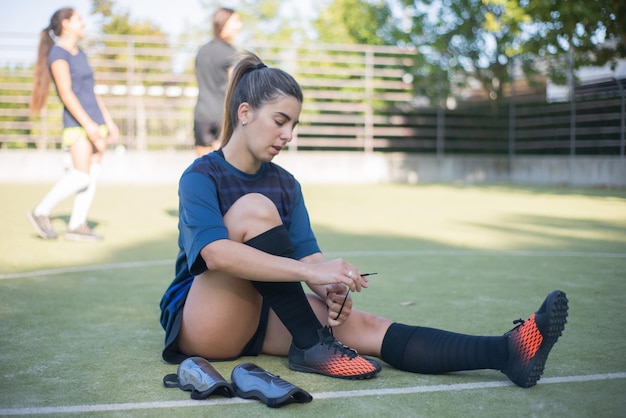
What Are Sports Injuries?
Sports injuries are injuries that occur during physical activity, training, or competition. They can affect bones, muscles, ligaments, tendons, or joints.
Sports injuries range from mild discomfort to serious damage that requires medical attention or surgery. Early care and proper management are key to recovery and avoiding long-term problems.
Common Causes of Sports Injuries
Overuse
Repeating the same motion repeatedly can strain muscles, tendons, and ligaments.
Sudden Trauma
Falls, collisions, or awkward landings can cause fractures, sprains, or dislocations.
Poor Technique
Improper form during training or gameplay increases the risk of injury.
Lack of Conditioning
Weak muscles or poor flexibility reduce the body’s ability to handle stress.
Inadequate Equipment
Improper footwear or unsafe equipment can contribute to injuries.
Environmental Factors
Uneven surfaces, slippery floors, or extreme weather conditions increase injury risk.
Common Types of Sports Injuries
Sprains
Ligaments are stretched or torn, usually in the ankle, wrist, or knee.
Strains
Muscles or tendons are overstretched or torn.
Fractures
Broken bones caused by trauma or impact.
Dislocations
Joints move out of their normal position.
Tendinitis
Inflammation of tendons due to overuse.
Concussions
Head injuries common in contact sports.
Shin Splints
Pain along the shin bone caused by overuse.
Stress Fractures
Small cracks in bones due to repetitive impact.
Muscle Cramps
Sudden muscle contractions caused by fatigue or dehydration.
Symptoms of Sports Injuries
- Pain during activity or at rest
- Swelling or bruising
- Limited range of motion
- Weakness or instability
- Numbness or tingling
- Visible deformity in severe cases
When to See a Doctor
Seek professional care if:
- Pain is severe or persistent
- Movement becomes difficult
- Swelling or bruising is noticeable
- A fracture, dislocation, or concussion is suspected
Diagnosis of Sports Injuries

Physical Examination
Doctors check swelling, tenderness, and movement.
Imaging Tests
- X-rays for fractures
- MRI for soft tissue injuries
- Ultrasound for muscle or tendon problems
Medical History
Understanding how the injury happened helps guide treatment.
Treatment Options for Sports Injuries
R.I.C.E. Method
- Rest
- Ice
- Compression
- Elevation
Medications
- Pain relievers
- Anti-inflammatory medicines
- Muscle relaxants (in some cases)
Physical Therapy
Helps improve strength, flexibility, and movement.
Immobilization
Splints, braces, or supports protect the injured area while healing.
Surgery
Required only in severe cases such as major fractures or ligament tears.
Rehabilitation Exercises
- Stretching
- Strengthening exercises
- Balance training
Alternative Therapies
- Massage therapy
- Acupuncture
- Cryotherapy
Prevention Strategies for Sports Injuries
- Warm up before exercise
- Use proper technique
- Strengthen muscles regularly
- Wear appropriate footwear and equipment
- Stay hydrated
- Increase intensity gradually
- Listen to your body
- Follow a balanced diet
Living With Sports Injuries
Recovery takes time, but the right approach makes it easier.
- Follow rehabilitation plans
- Avoid rushing back to sports
- Stay active with safe movements
- Use supportive devices if needed
Common Myths About Sports Injuries
Myth: Only professional athletes get injured
Truth: Anyone active in sports can get injured
Myth: Rest alone heals everything
Truth: Rehabilitation and treatment are also important
Myth: Minor pain can be ignored
Truth: Early treatment prevents long-term problems
Final Thoughts
Sports injuries are common but manageable. With early care, proper treatment, and preventive measures, athletes and fitness enthusiasts can recover faster and return to their activities safely.
Ignoring injuries can lead to chronic pain and long-term complications, so taking action early is always the best approach.
Take the First Step Toward Recovery
If you’ve experienced a sports injury or want to prevent one, don’t wait.
Visit
to connect with experts, receive personalized care, and book your appointment today.
Stay strong, active, and injury-free with the right care.
Ready to Take the Next Step?
Connect with our wellness experts for personalized guidance