

Introduction
Knee pain is one of the most common joint problems affecting people of all ages. Whether you're an athlete, a working professional, or someone dealing with age-related issues, knee pain can disrupt your daily life.
Simple activities like walking, climbing stairs, or even sitting can become uncomfortable. The knee is a complex joint that bears your body weight, making it more vulnerable to injuries and wear and tear.
The good news? Most knee problems can be treated and even prevented with the right care and knowledge.
In this comprehensive guide, you’ll learn everything about knee pain its causes, symptoms, types, treatments, and prevention strategies in simple, easy-to-understand language.
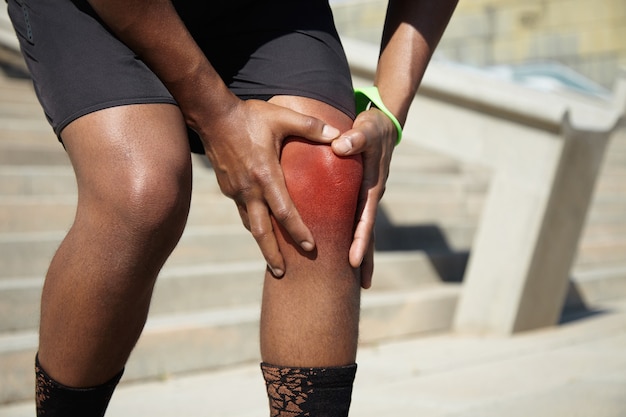
What Is Knee Pain?
Knee pain refers to discomfort, stiffness, or inflammation in or around the knee joint. It can result from injury, overuse, or medical conditions.
The knee joint consists of:
- Bones (femur, tibia, patella)
- Cartilage
- Ligaments
- Tendons
Damage to any of these structures can lead to pain and reduced mobility.
Common Causes of Knee Pain
Understanding the cause is the first step toward effective treatment.
Injuries
Knee injuries are a major cause of sudden pain.
Common injuries include:
- Ligament tears (ACL, MCL)
- Meniscus tear
- Fractures
- Dislocations
These often occur during sports, accidents, or sudden movements.
Osteoarthritis
This is one of the most common causes of knee pain, especially in older adults. It occurs when cartilage wears down over time.
Overuse
Repeated stress on the knee from activities like running, jumping, or cycling can lead to pain.
Tendinitis
Inflammation of tendons, often caused by repetitive motion.
Bursitis
Swelling of fluid-filled sacs (bursae) around the knee.
Obesity
Excess weight puts extra pressure on the knees, increasing wear and tear.
Poor Posture or Alignment
Improper walking or standing posture can strain the knee joint over time.
Types of Knee Pain
Knee pain can vary based on its origin and severity.
Acute Knee Pain
- Sudden onset
- Usually due to injury
- Short-term but can be severe
Chronic Knee Pain
- Lasts for weeks or months
- Often linked to arthritis or long-term conditions

Mechanical Knee Pain
- Caused by physical damage like torn cartilage or ligaments
Inflammatory Knee Pain
- Associated with conditions like arthritis or infections
Symptoms of Knee Pain
Symptoms can differ depending on the cause.
Common Symptoms
- Pain during movement
- Swelling and stiffness
- Redness or warmth
- Weakness or instability
- Clicking or popping sounds
Severe Symptoms
- Inability to bear weight
- Knee deformity
- Sudden intense pain
- Limited range of motion
When to See a Doctor
Seek medical attention if:
- Pain persists for more than a few days
- Swelling is severe
- You cannot stand or walk
- Knee looks deformed
- Pain follows an injury
Diagnosis of Knee Pain
Doctors use several methods to identify the cause:
Physical Examination
Checking movement, swelling, and pain points.
Imaging Tests
- X-rays
- MRI scans
These help detect structural damage.
Blood Tests
Used when inflammation or infection is suspected.
Effective Treatments for Knee Pain
Treatment depends on the cause and severity of the pain.
Home Remedies
Rest
Avoid activities that worsen pain.
Ice Therapy
Reduces swelling and inflammation.
Compression
Using knee braces for support.
Elevation
Helps reduce swelling.
Medications
- Pain relievers
- Anti-inflammatory drugs
- Topical creams
Always use medications under medical guidance.
Physical Therapy
A key component of recovery.
Benefits:
- Strengthens muscles around the knee
- Improves flexibility
- Restores mobility
Exercise and Rehabilitation
Regular exercise helps prevent stiffness and weakness.
Recommended activities:
- Walking
- Swimming
- Cycling
Weight Management
Reducing body weight decreases stress on the knees and improves symptoms.
Assistive Devices
- Knee braces
- Orthotic shoe inserts
- Walking aids
These provide stability and reduce strain.
Advanced Treatments
In more serious cases:
- Injections
- Minimally invasive procedures
- Surgery (last option)
Best Exercises for Knee Pain
Exercise is essential for recovery and prevention.
- Straight Leg Raises strengthen thigh muscles.
- Hamstring Stretch improves flexibility.
- Wall Squats build strength in knees and legs.
- Step Ups enhance balance and stability.
- Low-impact cardio like swimming and cycling is gentle on the knees.
Prevention Tips for Knee Pain
Preventing knee pain is easier than treating it.
- Maintain a healthy weight
- Stay active
- Warm up before exercise
- Wear proper footwear
- Practice good posture
- Avoid overuse
- Strengthen muscles
Knee Pain and Daily Life
Knee pain can affect:
- Walking and mobility
- Work performance
- Physical activities
- Sleep quality
Ignoring the problem can worsen it over time. Early care makes a big difference.
Common Myths About Knee Pain
Myth 1: Exercise Worsens Knee Pain
Truth: The right exercise actually helps
Myth 2: Only Older People Get Knee Pain
Truth: It affects all age groups
Myth 3: Pain Will Go Away on Its Own
Truth: Some conditions require treatment
Living with Knee Pain
Managing knee pain requires consistency.
Daily Tips:
- Stay active but avoid strain
- Use supportive seating
- Stretch regularly
- Follow a treatment plan
Small changes can lead to big improvements.
Final Thoughts
Knee pain is common, but it does not have to control your life. With proper care, timely treatment, and healthy habits, you can reduce pain and improve mobility.
Listen to your body. Do not ignore persistent discomfort it may be a sign of a deeper issue.
Take the First Step Toward Pain-Free Movement
If you are experiencing knee pain, do not wait for it to get worse.
Visit: ICBRwellness
to connect with experts, get personalized care, and book your appointment today.
Ready to Take the Next Step?
Connect with our wellness experts for personalized guidance