
Introduction
Migraines are more than just headaches. They are a neurological condition that can interfere with work, sleep, and daily life. Symptoms like throbbing pain, nausea, and sensitivity to light or sound can make simple tasks difficult.
Many people search for migraine relief but are unsure about the exact causes, triggers, or best treatments.

The good news is that with the right approach, including lifestyle changes and proper care, many people can reduce both the frequency and intensity of migraine attacks.
This guide covers causes, symptoms, triggers, treatments, and prevention tips for effective migraine relief.
What Is a Migraine
A migraine is a neurological disorder that causes moderate to severe head pain often described as throbbing or pulsating, usually on one side of the head.
It may be accompanied by nausea, vomiting, and sensitivity to light and sound.
Migraine attacks can last from a few hours to several days and may occur occasionally or frequently.
Common Causes of Migraines
Migraines do not have a single cause but are linked to several factors.
Brain Chemistry Changes
Changes in neurotransmitters like serotonin and nerve signaling can trigger migraines.
Genetics
A family history increases the likelihood of migraines.
Hormonal Changes
Fluctuations in estrogen especially during menstruation, pregnancy, or menopause.
Stress and Anxiety
Chronic stress is one of the most common contributors.
Sleep Issues
Too little, too much, or irregular sleep patterns.
Common Migraine Triggers
Identifying triggers is key to long-term migraine relief.
Food and Drink
- Skipping meals
- Dehydration
- Alcohol
- Excess caffeine or withdrawal
- Processed foods
Environmental Factors
- Bright lights
- Loud sounds
- Strong smells
Lifestyle Factors
- Irregular sleep
- Screen overuse
- Poor posture
Weather Changes
Changes in temperature or air pressure.
Hormonal Changes
Common during menstrual cycles.
Migraine Symptoms
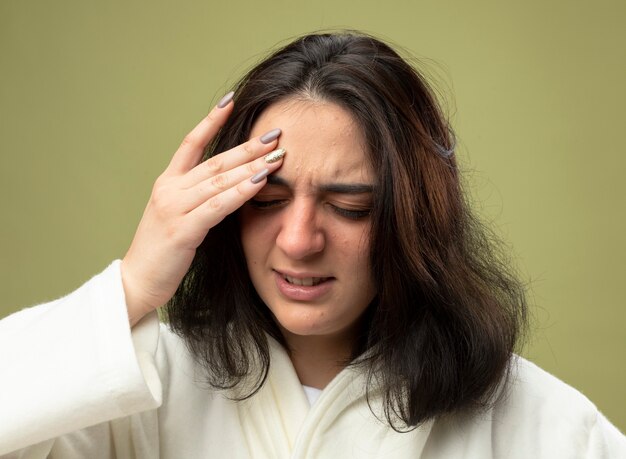
Symptoms often occur in phases.
Early Stage (Prodrome)
- Mood changes
- Fatigue
- Food cravings
- Neck stiffness
Aura (Some People Experience)
- Visual disturbances (flashing lights, blind spots)
- Tingling or numbness
- Speech difficulty
Attack Phase
- Throbbing head pain often one-sided
- Nausea or vomiting
- Sensitivity to light and sound
Postdrome
- Fatigue
- Confusion or brain fog
- Weakness
Types of Migraine
- Migraine without aura (most common)
- Migraine with aura
- Chronic migraine (frequent attacks)
- Silent migraine (aura without headache)
- Hemiplegic migraine (rare, with temporary weakness)
When to See a Doctor
Seek medical help if:
- Migraines are frequent or severe
- They affect daily life
- Your headache pattern changes suddenly
- Medicines do not provide relief
- You have unusual symptoms like weakness or confusion
Diagnosis of Migraines
Doctors may diagnose based on:
- Medical history and symptom pattern
- Neurological examination
- Imaging tests like MRI or CT if needed
Effective Migraine Relief Treatments
While migraines may not always be cured, treatment can greatly reduce symptoms.
Medications
- Pain relievers
- Anti-inflammatory medicines
- Prescription migraine medications
- Preventive medicines
Lifestyle Changes
- Maintain a regular sleep schedule
- Stay hydrated
- Eat balanced meals
Stress Management
- Meditation
- Deep breathing
- Yoga
Physical Therapy
Helps reduce neck tension and posture-related triggers.
Alternative Therapies
- Acupuncture
- Massage therapy
- Chiropractic care
Trigger Management
Avoiding known triggers is one of the most effective strategies.
Home Remedies for Migraine Relief
- Rest in a quiet dark room
- Apply a cold compress
- Stay hydrated
- Practice relaxation techniques
Prevention Tips
- Maintain a consistent routine
- Track triggers using a diary
- Drink enough water
- Reduce screen strain
- Exercise regularly
- Choose healthy balanced foods
Living With Migraines
- Plan your day around triggers
- Take regular breaks from screens
- Follow treatment plans consistently
- Prioritize sleep and hydration
Small daily habits can make a big difference.
Common Myths
Myth: Migraines are just headaches
Truth: They are a neurological condition
Myth: Only adults get migraines
Truth: They can affect all ages
Myth: Painkillers are enough
Truth: Prevention and trigger control are essential
Final Thoughts
Migraines can be challenging, but proper care and awareness can provide significant relief. By understanding triggers, following treatment, and maintaining healthy habits, many people can manage migraines effectively.
Take the First Step Toward Migraine Relief
If you are experiencing migraines, do not ignore the symptoms.
Visit : ICBRwellness
to connect with experts, get personalized care, and book your appointment.
Ready to Take the Next Step?
Connect with our wellness experts for personalized guidance